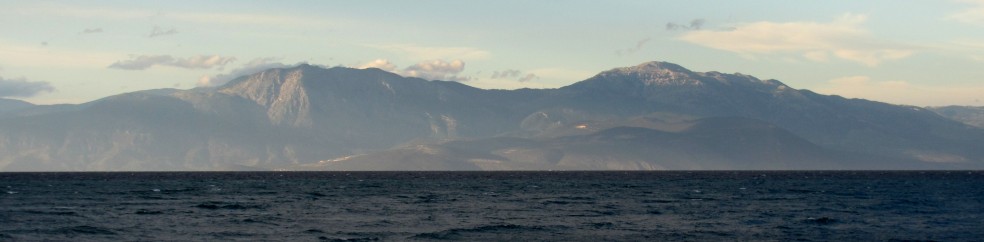

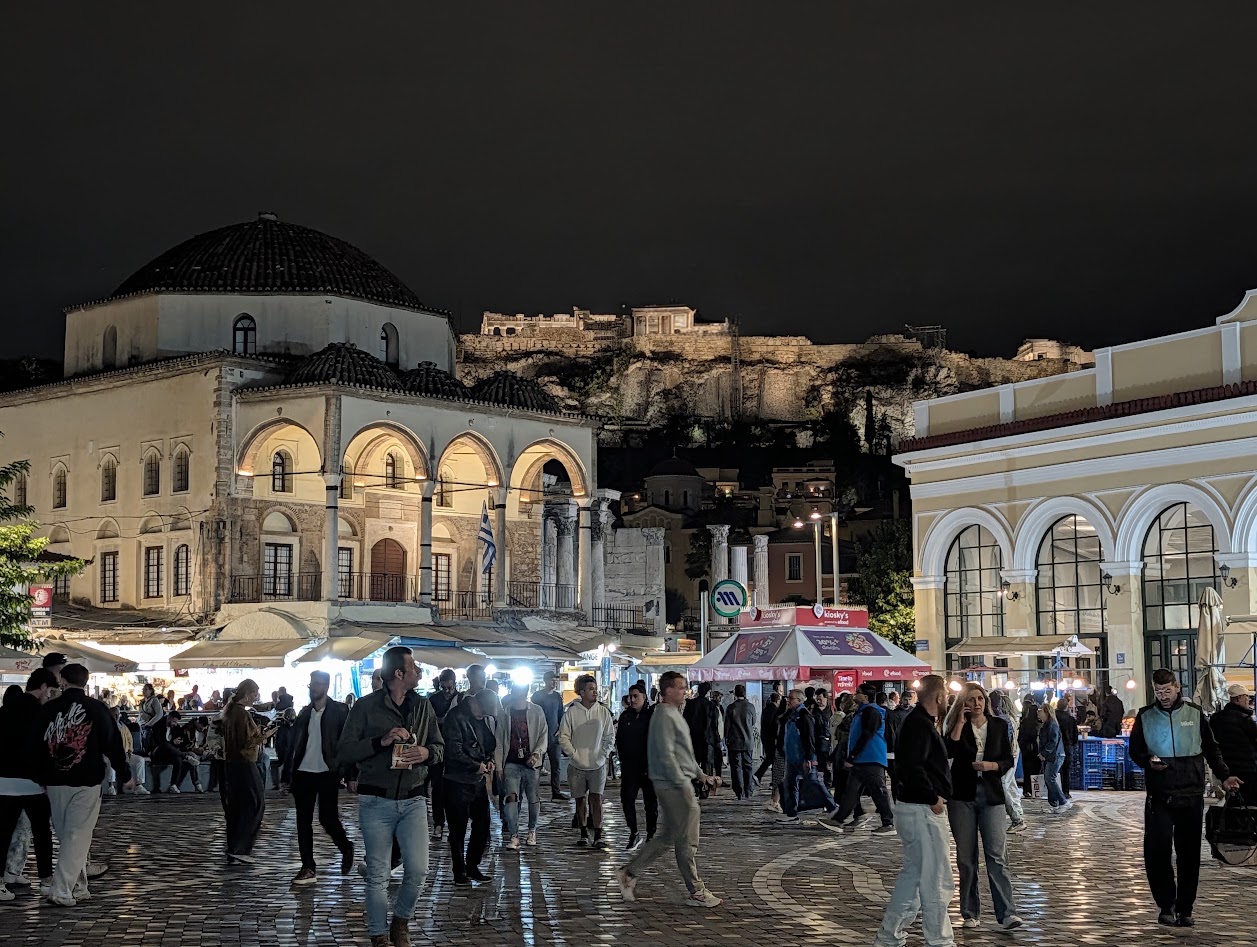
This year, we spent our first couple of days in Greece in the capital. The tourist load had eased and the heat had departed with the masses. With temps in the 70s and only an occasional shower to dodge it was very nice to wander around the city center. For the past few years, we’ve been noticing an increase in renovations and restorations among the old houses on the fringes of the major tourist areas. My guess is that the B&B boom has made renovation more attractive/feasible but the blight of decrepit houses has its origins more than 100 years ago.
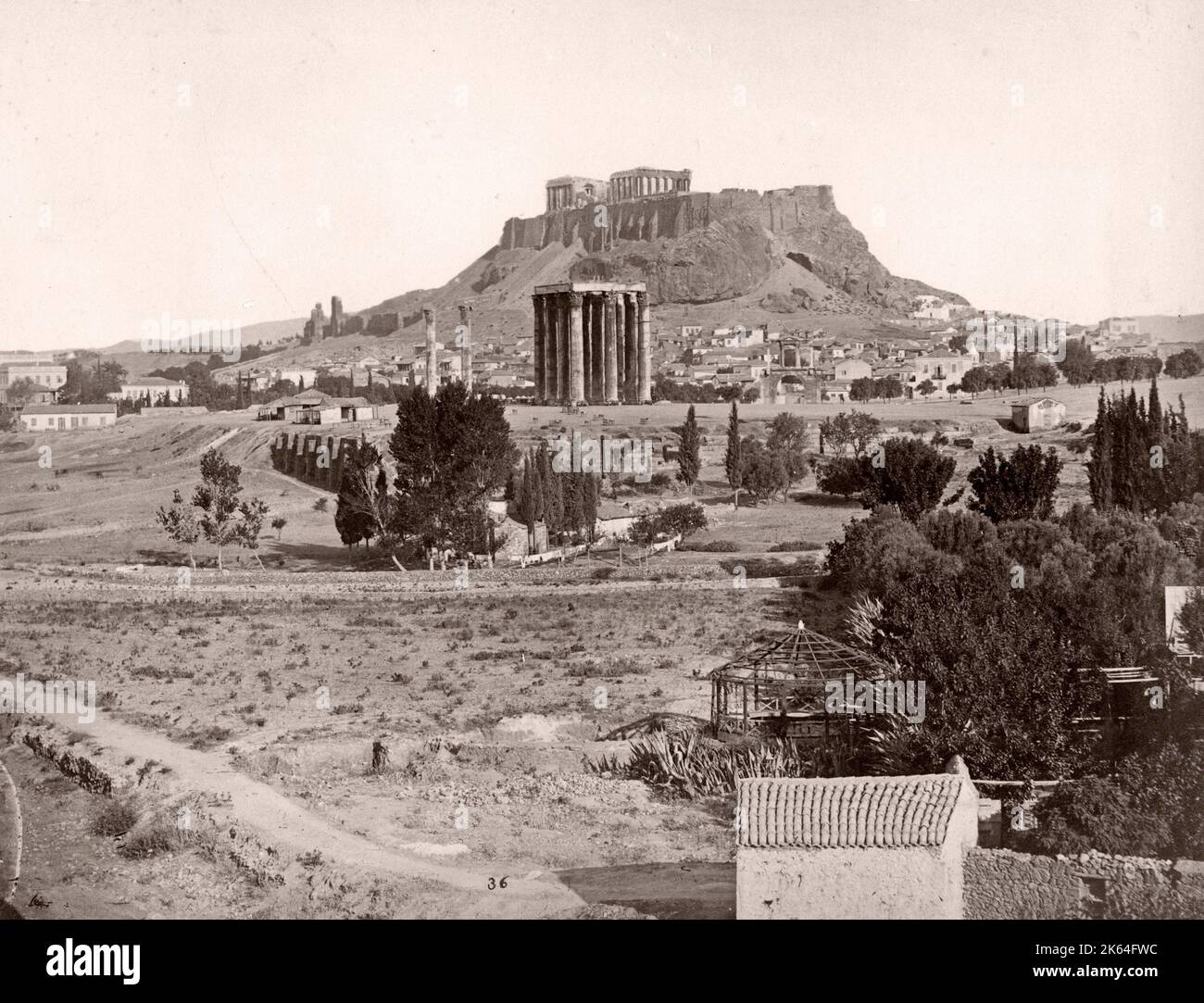
By the time Athens was made capital of modern Greece in 1834, it had been largely abandoned for centuries and was no more than a village of 4,000 gathered around the Acropolis.
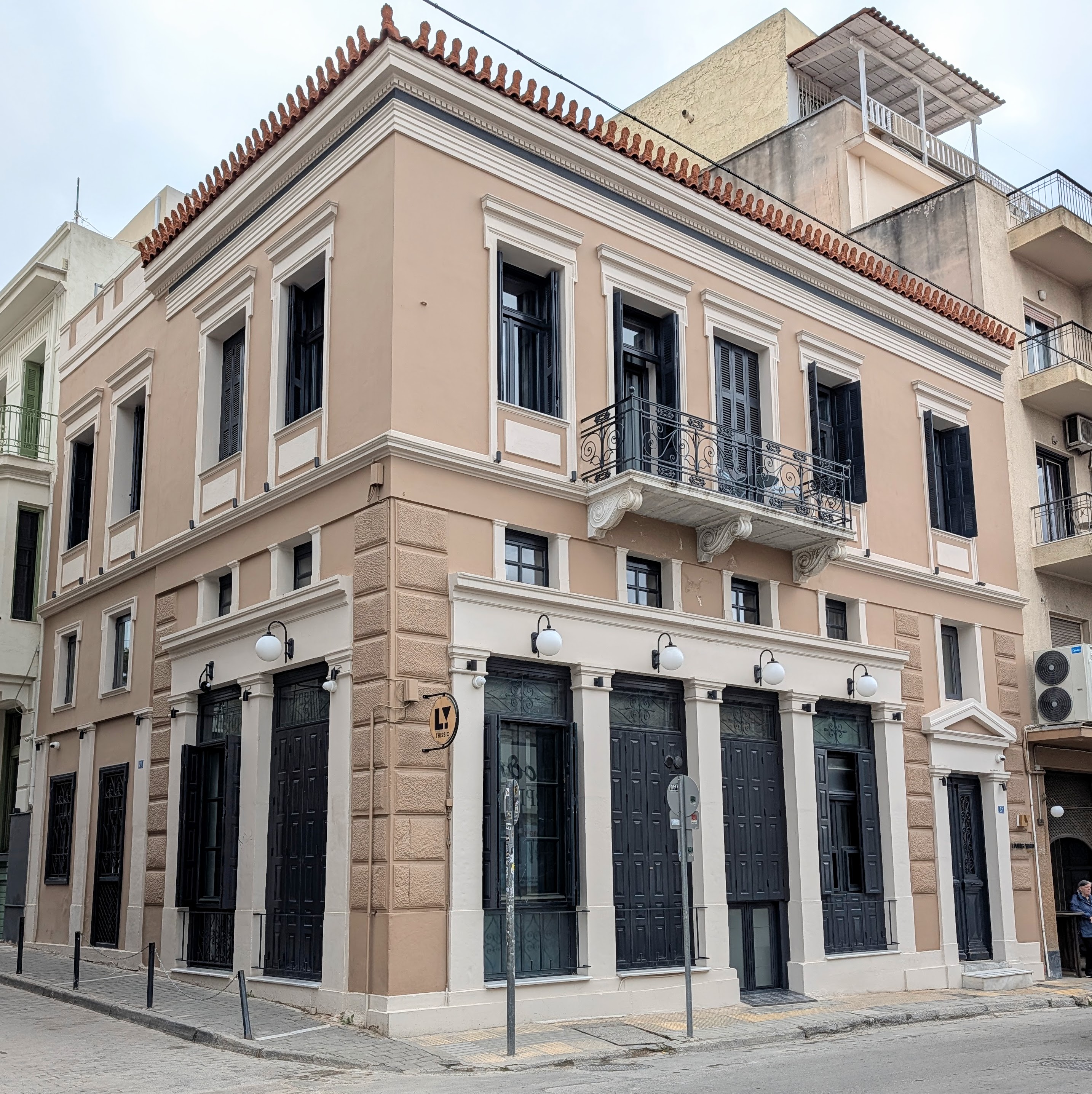
The first king of modern Greece hired German architects and planners to lay out the capital, and they adopted a neoclassical design ethos for the public buildings that was picked up by private investors flocking to the reborn city.
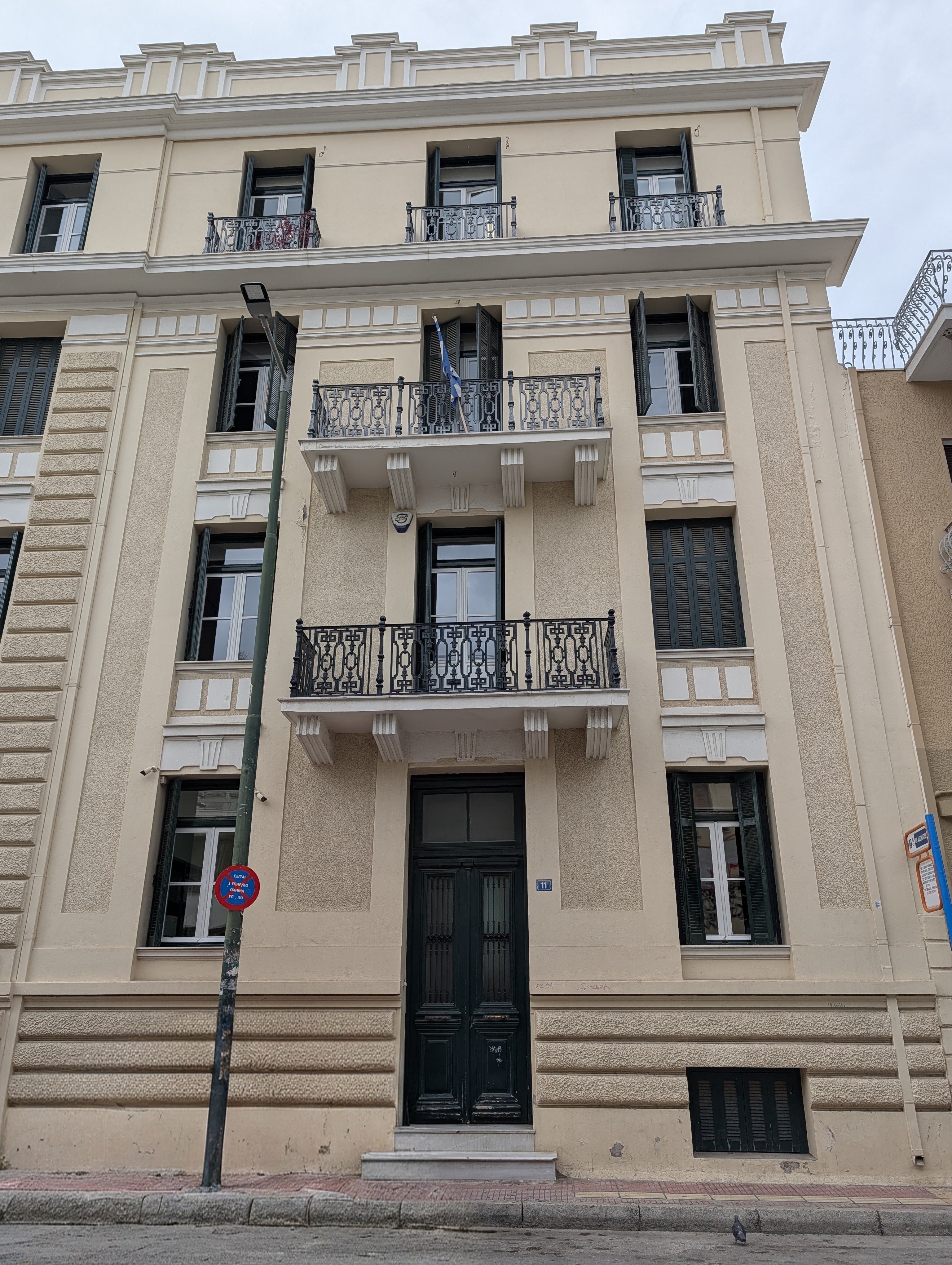
By 1900, the population stood at around 200,000 and the city was graced by streets lined with elegant neoclassical houses.
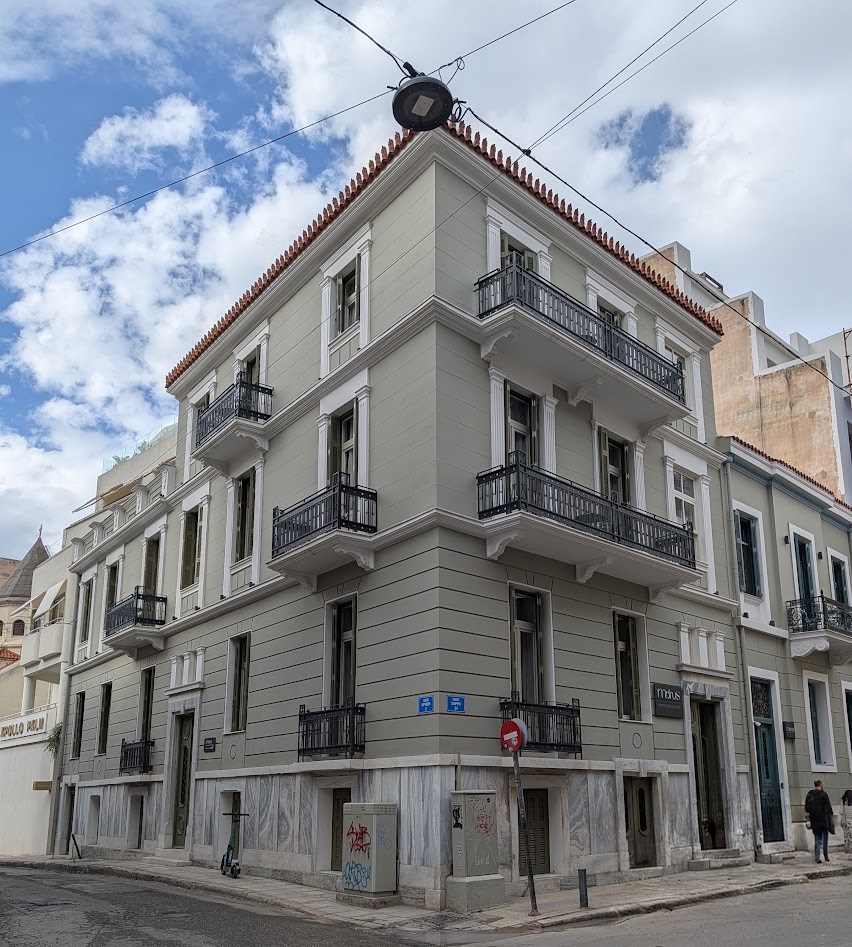
Athens was an emerging European capital with landmark buildings, charming squares and wide avenues.
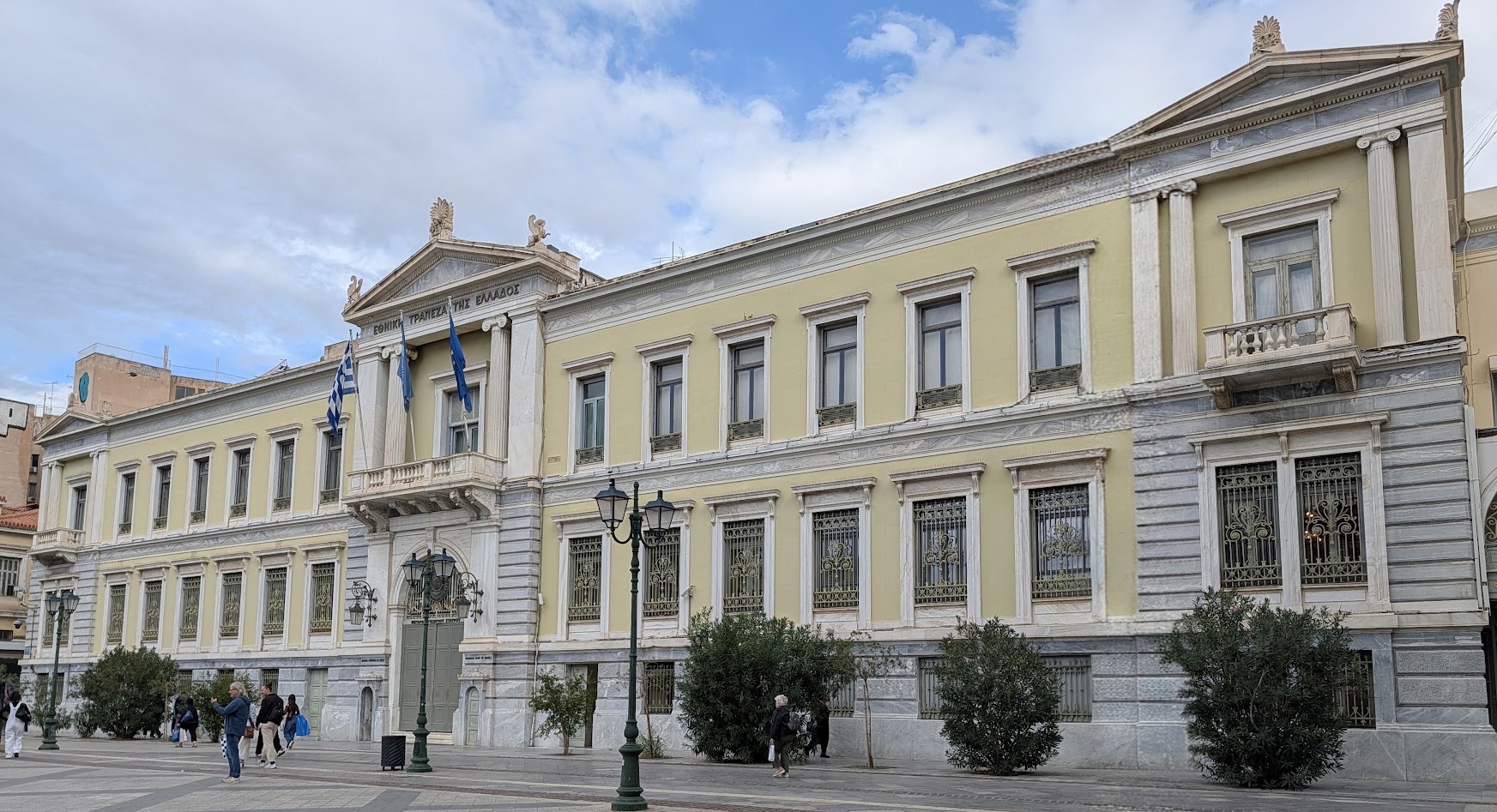
And on the streets adjoining the (then) royal palace, the houses were grandiose indeed. The other restored buildings I photographed for this post are modest homes at the opposite end of the planned city from the palace. This structure gives an idea of the grandeur on display on the streets near the palace. This is now the HQ of the National Bank but the left half was originally built as a private residence. The right half was built as a hotel. The bank joined them to form its senior building. As in Washington, DC, many of the finest homes built in those early years are now embassies and museums.
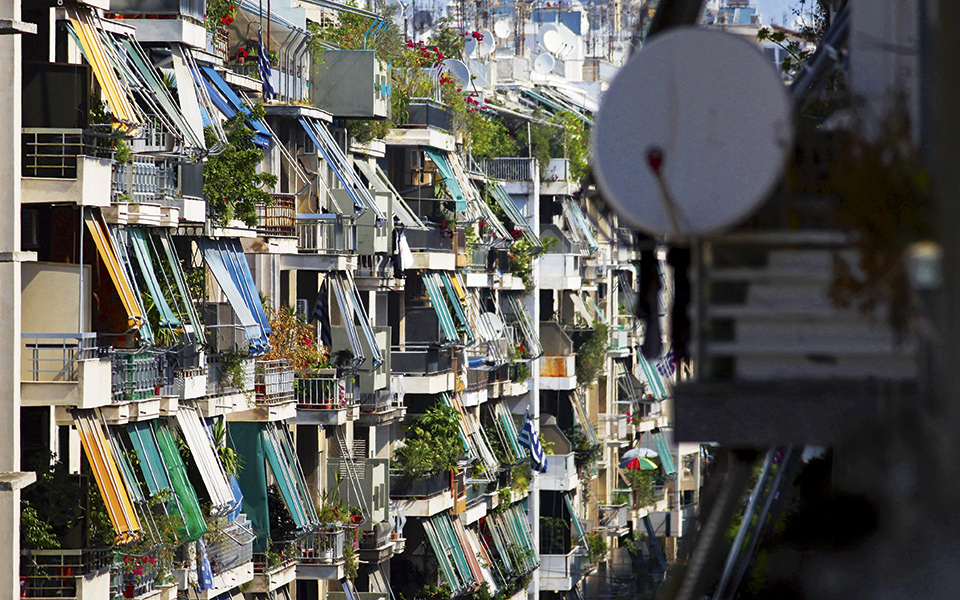
In the aftermath of WWI, however, city planning was derailed by a sudden influx of 1.5 million Greek refugees who poured into the country. The population of Athens increased to 500,000 within days. One solution to the housing crisis created by this crush of displaced Greeks was to replace mansions and single houses with 4/5 story concrete apartment buildings. These buildings, called polykatoikia, now constitute the vast majority of the Athens streetscape. After WWII, there was another mass influx of Greek citizens into Athens, this time from the countryside, and construction of polykatoikia pushed even further out from the city center.
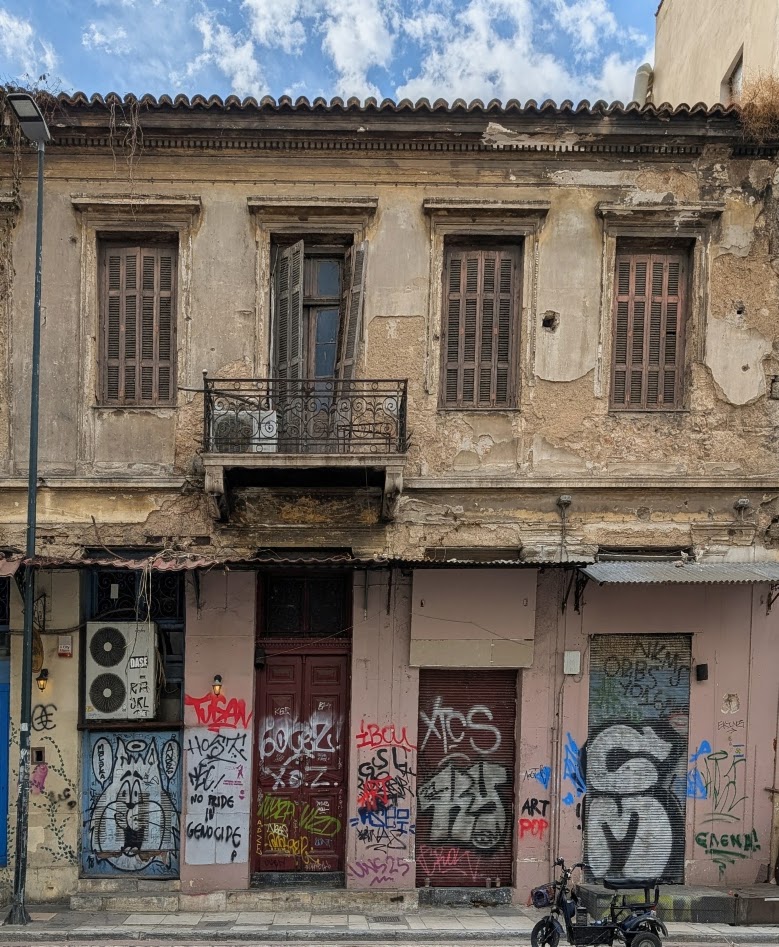
So the remaining neoclassical structures are precious and endangered. Unfortunately, even a relatively short distance from parliament many are in a condition similar to this modest house on lower Ermou street. Restoring something like this is neither easy nor cheap, and I’m sure it’s difficult for a property owner to see a way to recover the investment. The recent bump in tourist interest in the city might offer a glimmer of hope for these places and, with some luck, the increase in renovations we’re observing is the beginning of a lasting trend.

