Unknown's avatar

Καραγκιόζης

Καραγκιόζης

Karagiozis is the popular name given to the Greek shadow puppet theater.  The protagonist in all of the plays written for this theater is a small, humble Greek peasant called Karagiozis and so the genre is simply known by his name. In this centuries-old type of theatre, the flat, articulated shadow puppets are pressed against the back of the screen by puppeteers hiding below it, and a light shining through from the back provides the magic for the audience out front. The “set” of the plays generally consists of the palatial house of the Turkish overlord on one side of the screen and the small shack of Karagiozis on the other. All of the action takes place between these two set elements, and if you think in terms of Punch and Judy you’ll have a good idea of the sort of action that occurs. There are something like 200 Karagiozis plays but the plot in all of them revolves around Karagiozis’s drive to put something over on the tall, regal Turk. Generally, a ridiculously small sum of money is involved – a fraction of a cent – but for Karagiozis the important point is that he comes out ahead of the Turk. This drives the action through all of its absurd twists and turns, and, of course, Karagiozis always comes out ahead.

Karagiozis is considered a national treasure – an elemental part of Greek cultural heritage – and so the state supports a couple of puppeteers who travel the country each summer, staging shows for holiday-making Greeks. Each year, one of these troupes arrives in Sikya and sets up its theatre-in-a-trailer in the plateia just beyond our balcony. The puppeteers spend the day setting up benches, screening, a popcorn machine, a souvenir booth, and then circulating through the surrounding villages and towns in a loudspeaker-equipped car, drumming up business. The show starts after dark, and it is always SRO, packed to capacity. I thought of going the first year but quickly determined that only kids and the parents of kids too young to be left alone were in attendance. The other parents sit outside in the plateia and dutifully buy snacks for the kids before the show and souvenirs after.  The next morning, its all been packed up and taken away to the next village.

The Karagiozis arrived in Sikya this year on Tuesday, and the howls of laughter and shrieks of delight that erupted from the compound proved that the puppeteers still know their audience and that the audience still appreciates the efforts of Karagiozis to prove himself the better man. In a movie-, TV-, and video game-jaded world, it’s just wonderful to see kids enraptured by shows that have traveled the countryside since long before the arrival of automobiles and electricity, long before independence.

My appreciation for the Karagiozis is due entirely to a wonderful section of Henry Miller’s The Colossus of Maroussi. Miller was a true hellenophile, and his ability to communicate the wonder of this land is an inspiration for this blog.

It’s good to be just plain happy; it’s a little better to know that you’re happy; but to understand that you’re happy and to know why and how . . . and still be happy, be happy in the being and the knowing, well that is beyond happiness, that is bliss.

– Henry Miller, The Colossus of Maroussi
Unknown's avatar

The Blue Flag

The Blue Flag

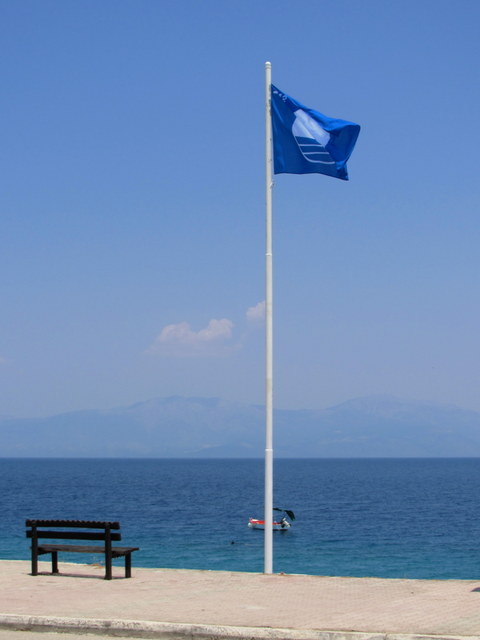
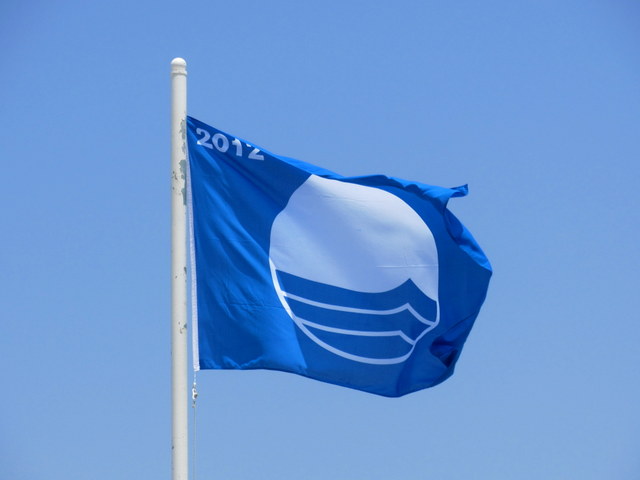
Every year, a group called the Foundation for Environmental Education awards “Blue Flag” status to the cleanest beaches in Europe and beyond. Each year since we’ve been here, the beach at Sikya has enjoyed Blue Flag status — until last year. We don’t know the issue but this beach and our neighboring beach in Melissi didn’t make the list. We were happy to see that both beaches were reinstated this year. The award status runs from July 1 to June 30, and on Thursday the flag was hoisted again over the beach. Had this been our first year here, we might have wondered why the responsible official waited until the 5th to raise the flag. With the benefit of 5 years experience, however, we just laughed.


Unknown's avatar

Sunset all over again

Sunset all over again

That fuzzy sunset photo a couple of posts ago bugged me enough to (download and then) read the camera manual. Turns out, the problem was I had the “Servo AF” box checked. Go figure.

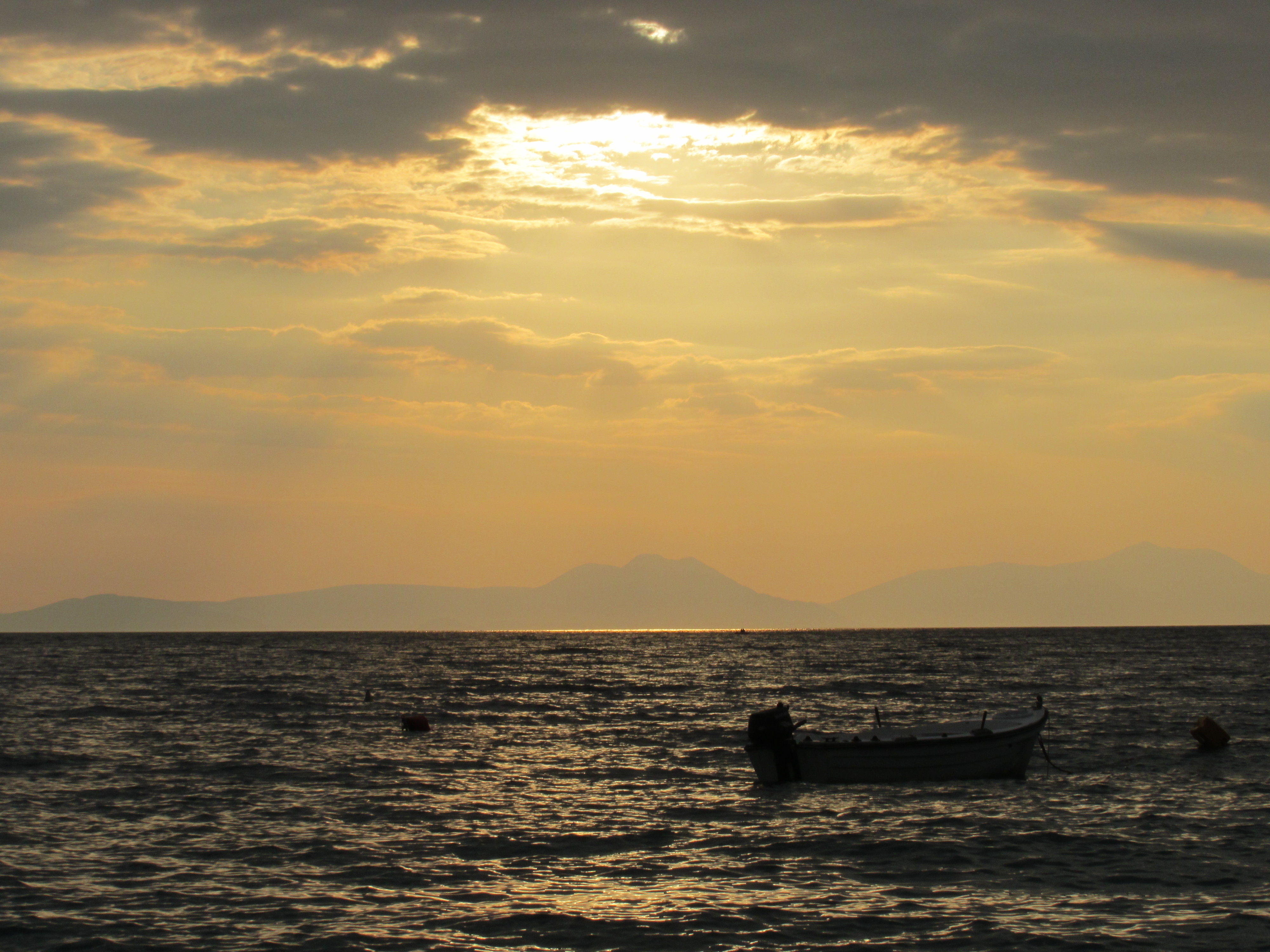
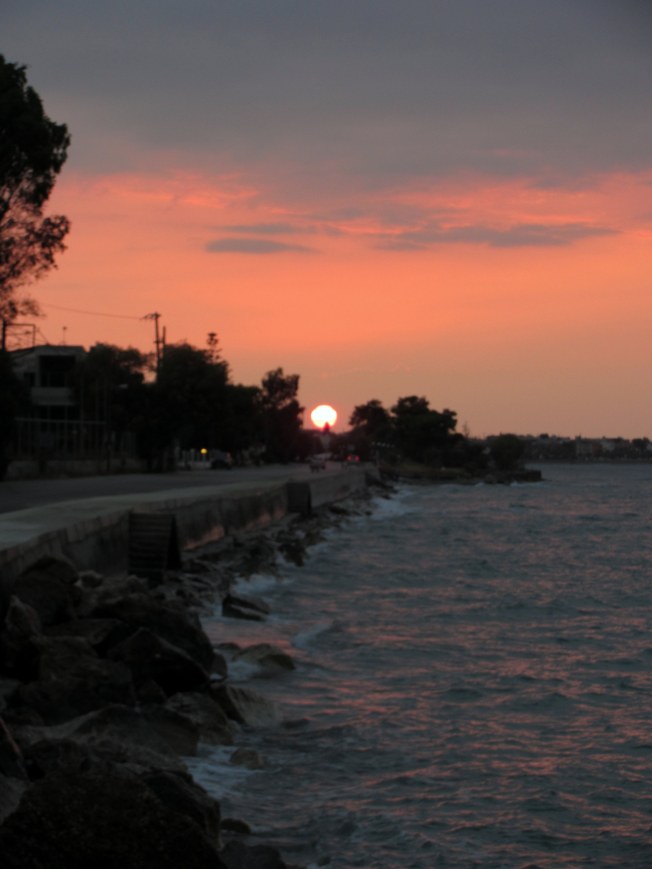
Anyhow, I was on my way home from Melissi again last night when Hλιος (Helios, the sun god of ancient Greek mythology and the modern Greek word for sun) was standing on the horizon posing for his photo before retiring for the night. I went down on the beach at the Akrotiri taverna and grabbed these snaps of the Sikya cape.

Unknown's avatar

So this is how sunrise looks…

So this is how sunrise looks...

Woke up early this AM and went to the beach to grab a few snaps. The clouds from last evening stuck around overnight so the view was pretty amazing.

I didn’t change the colors in post-processing.  The variance is a result of locking the exposure to different areas within the frame.

All-in-all, a pretty rewarding trip to the beach.  Maybe I’ll get up indecently early again someday…

Unknown's avatar

Sikya Sunset

Sikya Sunset

Sorry about the soft focus — the camera was having a moment — but I thought the colors were nice. We had some clouds this afternoon so the sunset was colorful and I just happened to be coming back home from Melissi when the sun was resting on the horizon.

Unknown's avatar

Fire

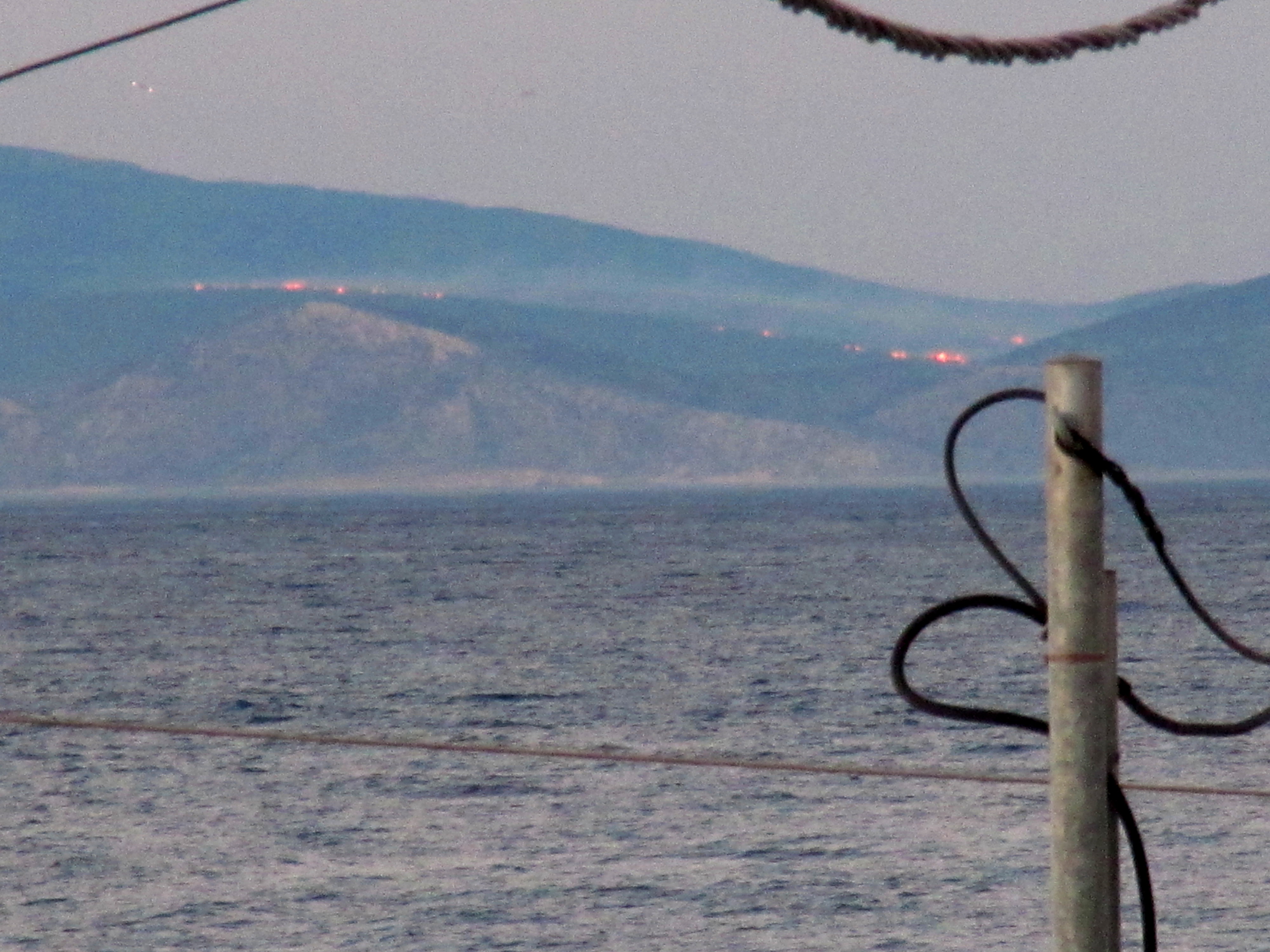
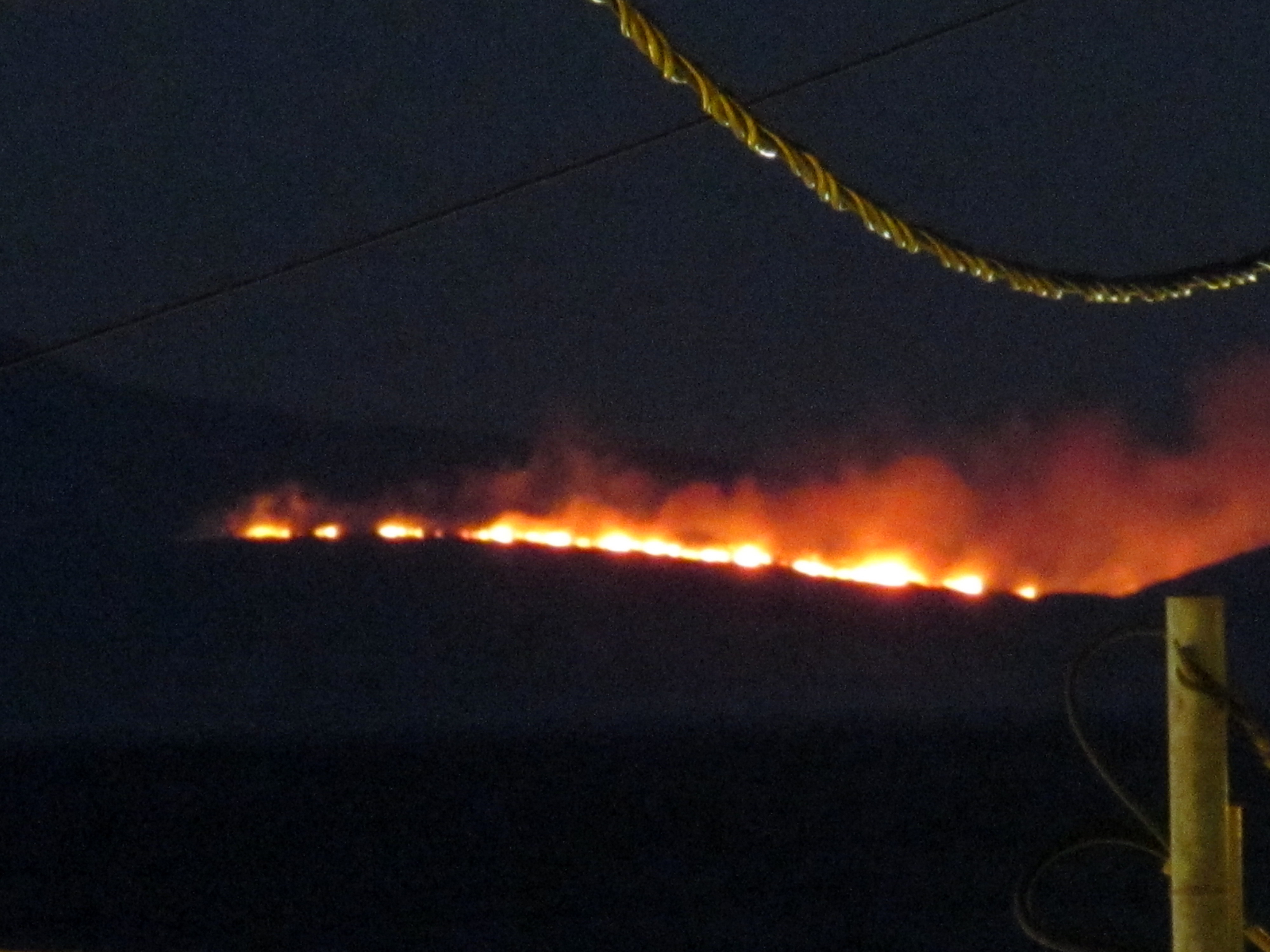
When I went out to the balcony to watch the sunset yesterday there was a plume of smoke in the mountains across the Gulf. I went down to the beach to take a couple of photos. It was obvious a significant west wind was blowing across the fire, pushing the column of smoke sideways toward Athens.  When I got back to the balcony the sun had set and in the shadows I could see flames with the naked eye.  As the sky darkened, the flames advanced and joined, forming what looked from the south to be a wall of fire.   The camera lost its ability to focus in the dark but as midnight approached, the fire seemed to break apart again, presumably having burnt itself out.

In that first thumbnail taken from the balcony, you can see what I think is a fire plane, wheeling away after a water drop.  I think the planes stopped flying at dark — at least I didn’t see any signs of aircraft after that.

The first two balcony shots were taken at 30x, well into the digital zoom range, presumably with the ISO pushed to max, so they’re really grainy and noisy.

This morning, from the water, I could see the area smoldering but it was clear the fire was out.  I saw nothing about it in the news websites.  I don’t think there is a village in the affected area.

As in the American west, wild fires are simply a part of summer in southern Greece.  The hot winds known as Meltimi winds blow down out of the Balkan peninsula, and spring’s wildflowers and greenery, having long since turned to kindling by cloudless, scorching weather, combust with the least encouragement.  The absence of trees here makes the fires relatively less intense; the flames consume the available fuel quickly.  Still, this seems to me very early for the number of fires I’m seeing reported.  This is something I normally associate with August, so I’m afraid we could be in for a bad fire season.

Unknown's avatar

The scent of ruins

The scent of ruins

Decaying areas in cities usually produce an odor that I think smells like wet newspaper. Whether it’s here or in the US, the deterioration of old buildings gives off the distinctive funk of rotting cardboard, books, paper.

The ancient sites of Greece also have a particular odor but in this case the scent is of herbs: heated herbs. Hints of oregano, thyme, and sage waft above the browned weeds that surround the ancient walls and stones. Which is pretty reasonable considering that wild versions of those herbs and others are ubiquitous in Greece, and that the summer sun here bakes every low green bush to dust by the time fall’s rain arrives. The olfactory effect is not so much Thanksgiving dinner as the almost subliminal awareness of a familiar, pleasant scent rising from the weeds as you walk; a perfume that over time becomes associated with tromping around ancient stones.

Sites lucky enough to enjoy the presence of pines have that delightful note in addition to their summer bouquet, and it adds a peaceful, calming tone that is perhaps attributable to but certainly reinforced by the blessed shelter from the sun provided by those trees.

The site of ancient Argos does not enjoy the presence of pines but the scent of herbs in those browned-out fields is almost palpable as I look at this photo.

Unknown's avatar

Suddenly, Summer

Suddenly, Summer

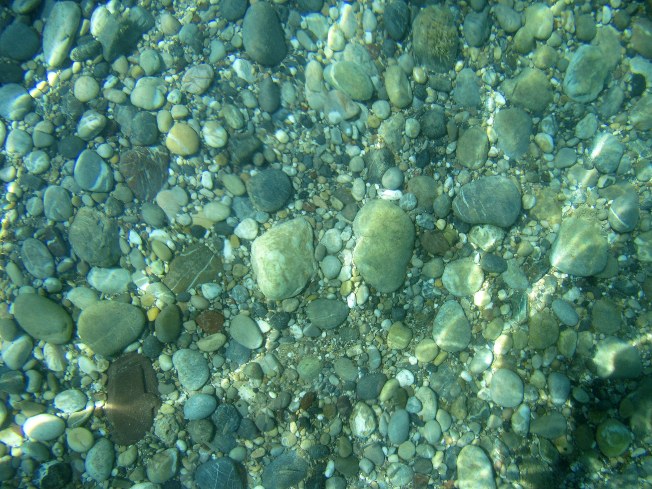
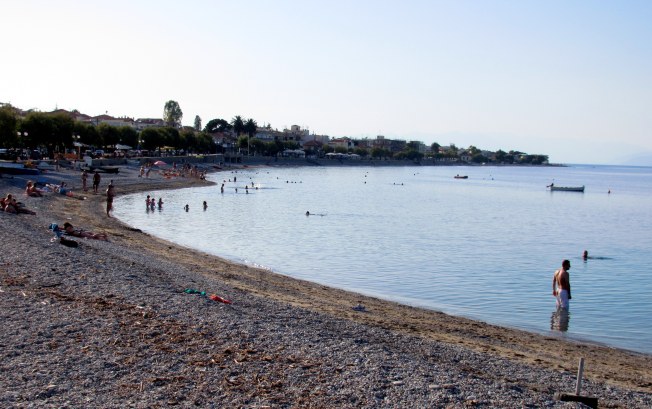
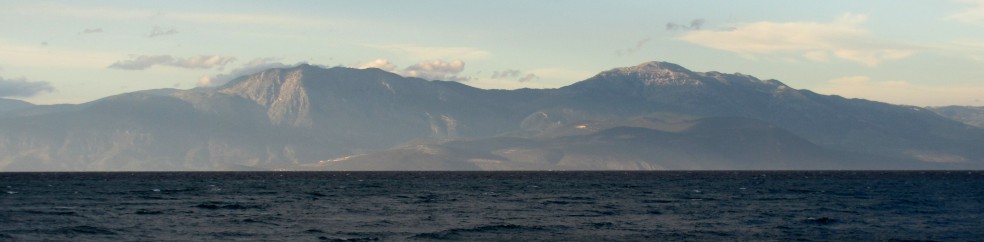
Summer showed up yesterday. To be sure, we had a hot day in Athens about a month ago and a hot day on Hydra last week but yesterday this place finally felt like a beach and today,  with a high in the mid-90s,  we took our first swims in the Gulf. The water’s still pretty cool but there are warm spots floating through so it’s not too hard to bob like a…half-empty beer bottle or a semi-inflated wine-skin while taking in the streaks and spots of snow remaining on Parnassos. Everyone who made the trek from Athens this weekend is on the beach, and so are we. But not in this photo.